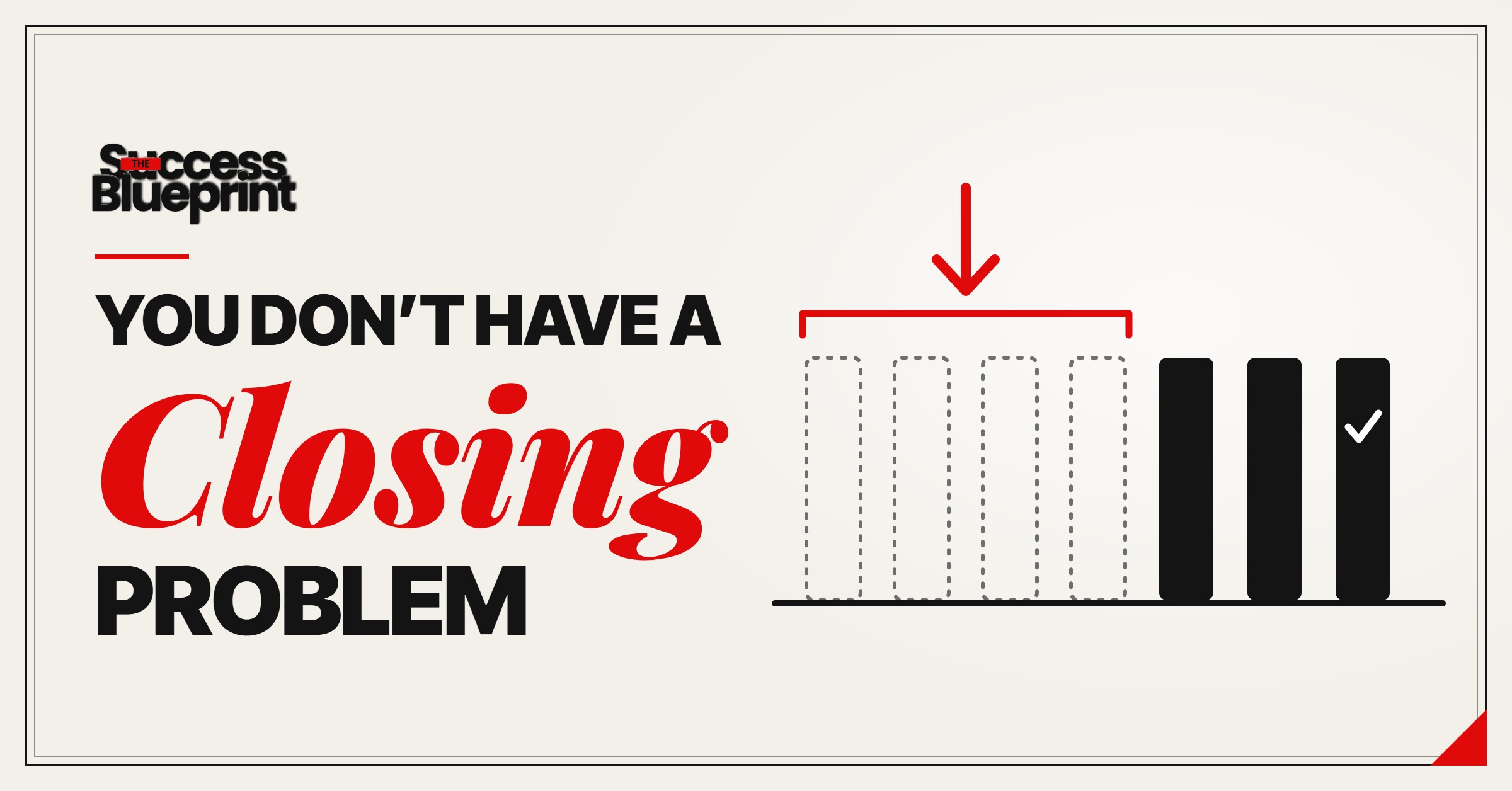
There's a word a lot of us use when a goal slips away: "almost." I almost closed it. I almost reached the number. I almost got the yes. Here's the problem with that word. Almost doesn't actually exist. You did or you didn't. When you tell yourself you almost did, you're giving yourself credit for a payment you never made, and that makes the next attempt feel optional.
This week I want to teach you one idea that changes how you read every no you get: your success is paid for in advance.
What it means
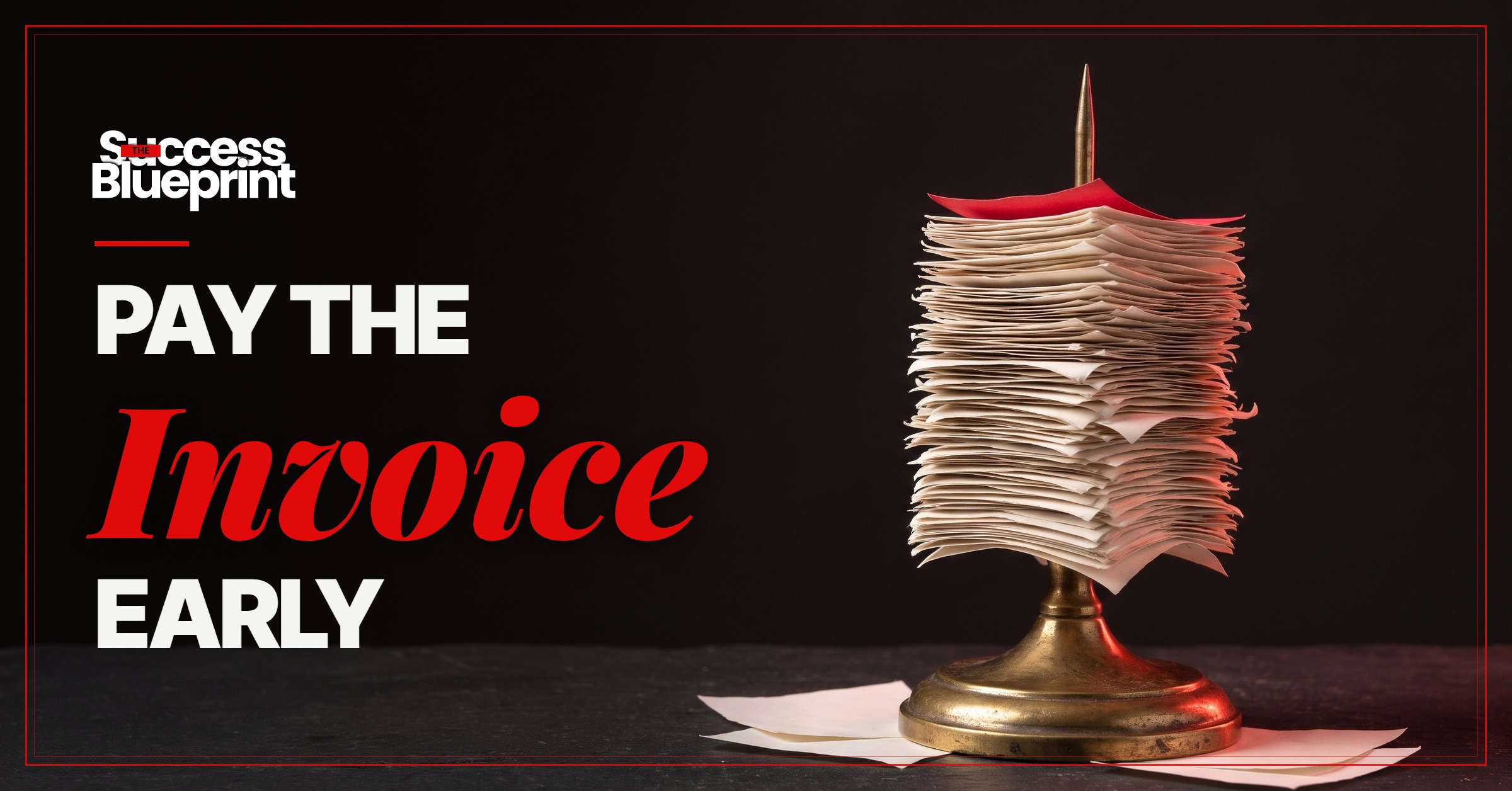
Think of success as something that arrives with an invoice. The invoice isn't money. It's rejection, awkward silence, objections, and people who say no. And the unusual part is when it's due. You have to pay the invoice early, very early, in order to finally get what you want. The reward comes after the payment, never before it.
Most people want the reward without paying for the rejection. They want the result of a hundred conversations after having five of them. They feel the discomfort of the first few no's, decide the price is too high, and walk away from the whole transaction. Then they wonder why it never arrives.
The only skill you need
When people ask what skill they should build, they usually name something complicated. A better pitch. A better script. A better strategy. Those help, but there's one underneath all of them. All you need is a high tolerance for rejection.
Here's why that works. If you go out and get more no's than anybody else, I promise you, you will do better than everybody else. Look at what that sentence says. It doesn't say you need to be the most talented person or the best talker. It says you need to collect more no's than the people around you. Every no is a payment toward the thing you want, and the person who makes the most payments gets there first.
The person who can withstand the most punches wins.
The question to ask yourself
When a no stings, ask this: why are you letting rejection, objections, and no's control your time and money? Think about what that looks like in real life. You skip the call because you expect a no. You stop following up because the last answer wasn't friendly. You let one hard conversation decide whether you try again this week. In each case, the rejection is making a decision that belongs to you.
Once you see a no as a payment, the feeling changes. A no stops being a verdict on you and becomes a receipt. You paid something, and you're closer.
Your plan for this week
First, pick one action you've been avoiding because you expect a no, whether that's a call, an ask, or a message. Do it this week, and expect the no. Your job isn't to avoid it. Your job is to collect it.
Second, keep a simple tally of your no's. Write down the number at the end of each day. Watching the count climb turns rejection into progress you can see, and it makes the "almost" feeling disappear because you're counting real attempts.
Third, the next time you catch yourself saying "I almost," replace it with a plain statement: "I did" or "I didn't." Then ask what the next payment is, and make it before the end of the day.
You don't have to love rejection. You only have to pay the invoice early and keep paying it. If this helped, send it to one person who's been telling themselves they almost got there.